Call me: 501-514-9875
Little Rock Raccoon Removal is a full-service wildlife control company specializing in the humane trapping and removal of raccoons and other wild animals in Little Rock, AR. Whether you have a problem with raccoons in your attic, under your house, tipping over garbage cans, digging up the yard, stealing pet food, pooping in your pool, or any other raccoon mischief we can solve it! The key to our wildlife control lies in our trapping expertise, and ability to employ the correct strategy for your specific wildlife problem. If you have raccoons in your attic for example, the key is in inspection of the attic and house, removal of the nest of baby raccoons, and the preventative work - we seal wild animals out of your house forever. We use humane trapping and relocation methods and we do not use poison! We answer our phone 24/7, and can schedule a same-day or next day appointment. Some of the services we offer include:
- Humane Raccoon Trapping and Relocation
- House, Roof, and Attic Inspections
- Preventative Wildlife Exclusion Repairs
- Raccoon Droppings Cleanup in Attic
- Removal of Baby Raccoons in Attic By Hand
- Poison-free Animal Removal and Prevention
- Porch, Deck, or Shed Exclusion Barriers
- Dead Raccoon Removal - Indoors and Out
CALL US ANY TIME AT 501-514-9875
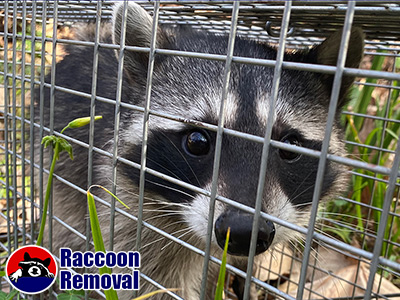 Little Rock's Best Raccoon Control:
A common reason for property damages is having rodents and critters within the home. Usually, they cause damage through their entry points and by constantly gnawing at wirings and the like. This could lead to serious casualties if the infestation grows to be severe. There are also certain guidelines to follow when removing certain wildlife from homes, which may vary from place to place. Rather than exterminating, we are dedicated to handling wildlife such as mammals and reptiles -especially when removing them from properties. In the area, our company is known to be one of the top-rated raccoon removal services! We take pride in our approaches when it comes to handling wildlife, especially because we keep it as humane as possible. Along with this, we equip our team with the latest technology and devices available to increase the efficiency of their work. Our skilled team is licensed and have mastered their techniques through their years of experience in removing wildlife from properties. Our company charges services at a lower cost than most, but we can assure you we provide high quality work. With our lines open 24 hours a day, we can accept emergency cases such as critter removal and more. You can also book your appointments on the same day or for the following day, whichever is the most convenient for you! Our phone staff is always ready to give you the answers you need, whether it's a walkthrough of our process or for any other concerns and inquiries about our services. We make sure to carefully note every detail of your situation. They also provide you with free wildlife control advice in case you had to deal with smaller situations yourself. We always give you a written estimate first, so get in touch with us to get a free price estimate over the phone!
Little Rock's Best Raccoon Control:
A common reason for property damages is having rodents and critters within the home. Usually, they cause damage through their entry points and by constantly gnawing at wirings and the like. This could lead to serious casualties if the infestation grows to be severe. There are also certain guidelines to follow when removing certain wildlife from homes, which may vary from place to place. Rather than exterminating, we are dedicated to handling wildlife such as mammals and reptiles -especially when removing them from properties. In the area, our company is known to be one of the top-rated raccoon removal services! We take pride in our approaches when it comes to handling wildlife, especially because we keep it as humane as possible. Along with this, we equip our team with the latest technology and devices available to increase the efficiency of their work. Our skilled team is licensed and have mastered their techniques through their years of experience in removing wildlife from properties. Our company charges services at a lower cost than most, but we can assure you we provide high quality work. With our lines open 24 hours a day, we can accept emergency cases such as critter removal and more. You can also book your appointments on the same day or for the following day, whichever is the most convenient for you! Our phone staff is always ready to give you the answers you need, whether it's a walkthrough of our process or for any other concerns and inquiries about our services. We make sure to carefully note every detail of your situation. They also provide you with free wildlife control advice in case you had to deal with smaller situations yourself. We always give you a written estimate first, so get in touch with us to get a free price estimate over the phone!
What Prices Do We Charge?
Learn About Costs and Our Wildlife Control Prices
.jpg)
We are Arkansas's top experts in wildlife and raccoon control. We are not a typical Little Rock raccoon control or pest control company. We don't treat wild animals like insects, because they are not! You can't just use poison to get rid of them. You also can't just set a few traps on the ground and call it good. Each situation is unique. And remember, if you have raccoons living in your house, it is almost certainly a female with a litter of young inside. These juveniles must be removed by hand, or they will starve to death and die. And after they are gone, the entry holes into the house must be sealed with professional repairs. Unlike most Little Rock pest control, we focus on complete and permanent solutions, by following these steps:
- Inspect the entire house, ground to roof, and the attic
- Seal shut all entry areas with professional grade steel
- If in attic, we remove the baby raccoons by hand
- Technical and human raccoon trapping appropriate to situation
- When necessary, we clean raccoon droppings and replace insulation
Little Rock Raccoon Control Tip: Do raccoons hibernate?
Generally, raccoons do not hibernate, although they take a long time during the winter season to sleep. This period can be up to four months, depending on the geographical location of the raccoon. Raccoons are usually seen in the warmer seasons where they come out to find food sources to survive, but in the colder seasons, especially during winter, they go into hiding to protect themselves from the cold and come out again once the atmospheric temperature starts to rise again. This is an adaptive feature of the raccoon during the cold season to survive the intense scarcity of food and unfavorable weather conditions. Raccoons that live in an average warm region all year round do not have a need to adapt this way. This is why they can be seen all the time, especially in the hotter regions.
Raccoons go into torpor
A raccoon does not shut down its activities completely during this period of sleep. Rather, it slows down to allow for less use of conserved energy until the period elapses. Once the temperature reduces below the body temperature of a raccoon, it takes shelter as a means of adaptation to keep itself warm and goes into an extended period of sleep until there is a change in the weather condition. It sometimes goes out when the weather is a bit warmer to search for food and return again for another period of sleep, maybe longer but doesn't leave its home in extremely cold regions, especially in the snowy and frosty regions of the world.
Raccoons are not true hibernators; they only sleep for a few days, at most weeks, and wake up when the weather is a bit warm. They enter a state known as torpor. It is a state of rest for energy conservation during winter, thereby reducing the usual amount of fats and energy needed for survival. This usually lowers the raccoon's sugar level and body temperature, thereby reducing the needed body nutrients to survive. They usually sleep in a curled manner to generate heat for their body and use their thick fur to keep them warm for the period. They'll have to wake up to search for food and water in order to restore their body temperature and used fats. They also use this as a means of staying alert for possible predators' invasion and locating new homes when they sense any form of insecurity.
.jpg) How do they survive during torpor?
How do they survive during torpor?Raccoons store fats from eating excessively during the warmer seasons, which they release as energy during their long period of sleep as a means of survival. Nevertheless, in areas with an average warm climate all throughout the year, raccoons don't have a need to go into a long sleep. They can search for food anywhere and any time of the year and can be seen in the forest and around homes, but in the northern regions with a colder climate, they usually stay in their homes, which can be tree holes, old buildings, farmsteads, underground holes, chimneys, and treehouses. They prefer to store their energy by staying put in one place than to go out in search of food which is not readily available due to the cold weather conditions.
A raccoon has thick fur, which serves as a means to keep it warm during the colder season. It also develops additional fats by eating lots of food during the warmer season, which also helps in keeping its body warm. Raccoons prefer to move and stay alone, but in areas of intense cold, they may stay in groups, especially when they find a large hole that could accommodate a large number of them. This also provides an opportunity for them to breed during winter. Raccoons are extreme introverts, which accounts for them preferring to stay alone.
What do raccoons eat?
Raccoons are omnivores. They generally eat plants and animals like frogs, grains, nuts, fish, berries, eggs, birds, and insects, which are not readily available in the colder seasons. This forces them to stay put and conserve the available energy in the form of stored fats until the cold season is over. However, those that live in urban environments can be seen eating trash and wastes.
We service nearby towns such as North Little Rock, Jacksonville, Sherwood, Maumelle, Wrightsvill, Cammack Village, College Station, Roland, Sweet Home, Hensley, McAlmont, Woodson, Gravel Ridge, Natural Steps, Gibson, Landmark